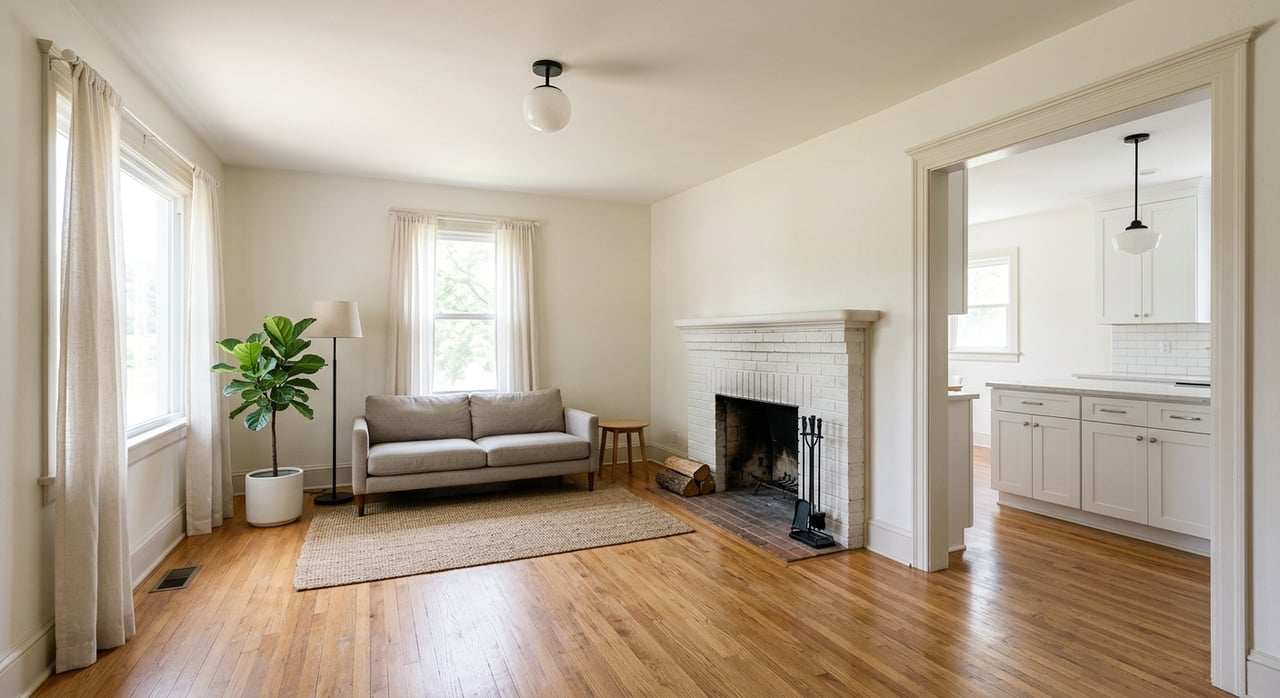
Wondering how to make an older Mayfield home fit the way you live now without stripping away the details that made you love it in the first place? That is a common challenge in a city where many homes reflect late nineteenth- and early twentieth-century design, with distinct architecture, smaller rooms, and layouts that predate modern open-plan living. If you are thinking about buying, renovating, or eventually selling an older home in Mayfield, this guide will help you focus on updates that improve daily life, protect character, and make sense for the local market. Let’s dive in.
Why older Mayfield homes feel different
Mayfield’s built environment grew up around a historic downtown grid that dates back to 1824. Local survey documentation points to a housing stock that includes Queen Anne, Colonial Revival, Craftsman, Tudor Revival, Bungalows, T-plans, and Foursquare homes, often on smaller, tree-lined lots with defined setbacks from the street.
That history matters when you walk into one of these homes. Many older houses were designed with more separated rooms, narrower hallways, fewer closets, and utility spaces that do not match what buyers often expect today. In many cases, the goal is not to erase that original layout entirely, but to improve how the home functions while keeping the features that give it personality.
Start with function, not finishes
It is easy to get excited about countertops, tile, and paint colors. But in an older Mayfield home, the smartest first step is usually to look at the parts of the house that affect comfort, safety, and long-term value.
A practical renovation plan often starts with these priorities:
- Structure and foundational concerns
- Roof and water management
- Electrical, plumbing, and HVAC systems
- Bath and kitchen functionality
- Storage and laundry improvements
- Circulation and sightline upgrades
This order matters because cosmetic updates can lose their appeal quickly if bigger issues show up later. If you are planning to live in the home for years or preparing it for resale, utility-driven improvements usually offer the most dependable return in a market like Mayfield, where owner-occupied housing values are more modest than in many larger metro areas.
Modern updates that fit older homes
Improve kitchens carefully
Kitchens are often one of the biggest pressure points in older homes. They may feel closed off, lack prep space, or have limited storage compared with newer construction.
A full wall removal is not always the best answer. In many older Mayfield homes, a more compatible approach may be widening an opening, improving sightlines, or reworking cabinet layout so the kitchen feels more connected without removing all the original room separation.
Rework bathrooms and laundry
Bathrooms in older homes can feel tight, awkward, or undersized for current routines. Laundry areas may also be placed in less convenient locations or added as an afterthought.
When space allows, reworking these areas can make a home feel much more current. Even modest changes like better storage, improved fixtures, or a more practical floor plan can have an outsized effect on day-to-day comfort.
Add storage where it counts
Storage is one of the biggest gaps between older and newer homes. Closets, pantry space, and built-ins may be limited, especially in houses built long before modern storage expectations.
That does not mean you need a major addition. Creative use of utility rooms, under-stair areas, mudroom-style drop zones, or custom built-ins can improve livability while respecting the home’s original footprint.
Keep front-facing character intact
One of the strongest renovation strategies is to modernize what happens behind the scenes while protecting the exterior details that define the home. Preservation guidance supports rehabilitation that allows contemporary use while maintaining the historic character and integrity of the structure.
In practical terms, that often means keeping elements like porches, rooflines, trim, masonry, and original proportions whenever possible. Those features are part of what makes older Mayfield homes appealing, and preserving them can help the home remain visually consistent with its surroundings.
Match your budget to the Mayfield market
A renovation should make sense for both your lifestyle and the local market. In Mayfield, QuickFacts reports a median value of owner-occupied housing units of $112,500, which is a useful reminder that not every project needs a luxury-level finish package to be worthwhile.
That does not mean you should avoid investing in your home. It means you should focus on upgrades with clear, everyday value, such as better kitchens, more functional baths, improved systems, and smarter layouts, rather than highly customized features that may not translate as well at resale.
Check historic status before exterior changes
Before you make major exterior changes, it is wise to confirm whether the property is in a historic overlay area or is otherwise part of a recognized historic context. Mayfield’s residential permit packet specifically asks whether the property is in the Historic Overlay District, which signals that this issue can affect project review.
If a property is individually listed or contributes to a National Register district, Kentucky Heritage Council guidance says rehabilitation must be reviewed and certified in a way that is consistent with the structure’s historic character and, where applicable, the district. Some eligible properties may also qualify for state or federal historic rehabilitation tax incentives.
Understand Mayfield permit requirements
Renovation projects can move faster and with fewer surprises when you understand the paperwork upfront. Mayfield’s residential building permit packet requires owner and contractor information, the type of work, structural and mechanical details, total construction cost, zoning district, and whether the property is in a flood zone or historic overlay district.
The city also requires supporting documents that may include:
- A site plan
- Floor plans
- Construction plans
- A contractor list
The permit packet states that no deviation from the approved plan is allowed without office approval. That is an important detail if you are considering changes mid-project.
Use licensed trades for specialized work
Kentucky has a statewide, uniform, mandatory building code, and the Department of Housing, Buildings and Construction enforces statewide standards and licenses or certifies several key trades. That matters in older homes, where hidden conditions can make systems work more complex than it first appears.
For certain project categories, the state is especially clear:
- HVAC contractors must be licensed and permitted
- Electricians and electrical contractors must be licensed
- Plumbing work requires a plumbing construction permit, with work generally performed by a licensed journeyman plumber under a licensed master plumber, unless a homeowner is working on their own residence under their own permit
Using properly licensed trades is not just a paperwork issue. It helps protect the quality of the work and can reduce the risk of delays or corrections later.
Choose contractors with care
Contractor selection can shape the entire renovation experience. The Kentucky Attorney General recommends getting more than one estimate, checking insurance, avoiding high-pressure sales tactics, not paying the full amount upfront, and using a written contract that clearly spells out scope, timing, and cost.
That advice is especially useful when renovating an older home, because older properties can reveal hidden issues once work begins. A clear contract and realistic expectations can help you handle those discoveries with less stress.
The Attorney General also notes that Mayfield and Graves County launched an emergency contractor registration program after the tornado response, and registered contractors are issued placards that must be displayed on job sites and in vehicles. If you are hiring for a project, that is another local detail worth verifying.
Screen for lead and asbestos early
In older homes, safety screening should be part of planning, not an afterthought. For homes built before 1978, the EPA says the Lead Renovation, Repair and Painting rule applies to paid renovation, repair, and painting work that disturbs painted surfaces, and certified firms must use lead-safe work practices.
Asbestos is another concern in many older properties. The EPA notes that you cannot tell by appearance whether a material contains asbestos, and suspect materials such as floor tile, ceiling tile, siding, shingles, or pipe wrap may need to be sampled by a trained asbestos professional if they are damaged or if planned work will disturb them.
Even projects that seem cosmetic at first can open the door to hidden material issues. If you plan for that possibility early, you can protect your timeline and budget.
A smart renovation plan for resale
If resale is part of your long-term thinking, the safest strategy is often a balanced one. In Mayfield, that usually means improving the home’s usability and systems while preserving the original details that make older housing stand out.
A good renovation plan tends to do three things at once:
- Makes everyday living easier
- Respects the home’s original character
- Fits local value expectations
That kind of approach can help your home appeal to future buyers without over-improving for the market.
How to think like an owner and seller
If you own an older Mayfield home, renovation decisions are not just about style. They are also about positioning. The right updates can make the home easier to enjoy now and easier to explain, market, and price later.
That is where a local valuation perspective can be especially helpful. Before taking on a major project, it can be useful to understand how your home fits into the surrounding market and which improvements are likely to support value in a practical way.
If you are weighing renovation plans, future resale, or the best way to position an older property in Mayfield, Dustin Hawkins can help you think through the market side with clear, local guidance and a valuation-informed strategy.
FAQs
What kinds of older homes are common in Mayfield?
- Local survey and historic documentation identify Queen Anne, Colonial Revival, Craftsman, Tudor Revival, Bungalows, T-plans, and Foursquare homes among Mayfield’s older housing stock.
What renovations make the most sense for an older Mayfield home?
- The most practical upgrades usually focus on kitchens, bathrooms, storage, circulation, and major systems while preserving exterior character such as porches, trim, masonry, and rooflines.
What does the City of Mayfield require for a residential renovation permit?
- Mayfield’s permit packet calls for owner and contractor information, project details, construction cost, zoning information, and often a site plan, floor plans, construction plans, and a contractor list.
What should homeowners in Mayfield know about historic overlay review?
- Before making exterior changes, you should check whether the property is in a Historic Overlay District or other recognized historic area, because that can affect project review and renovation standards.
What licensed trades are required for older-home renovation work in Kentucky?
- Kentucky requires licensing or permitting for specialized work such as HVAC, electrical, and plumbing, and plumbing work generally must be performed under the state’s licensing rules unless a homeowner is working on their own residence under their own permit.
What safety issues should homeowners consider before renovating an older Mayfield house?
- If the home was built before 1978, lead-safe renovation rules may apply to paid work that disturbs painted surfaces, and older materials that could contain asbestos should be evaluated before renovation disturbs them.