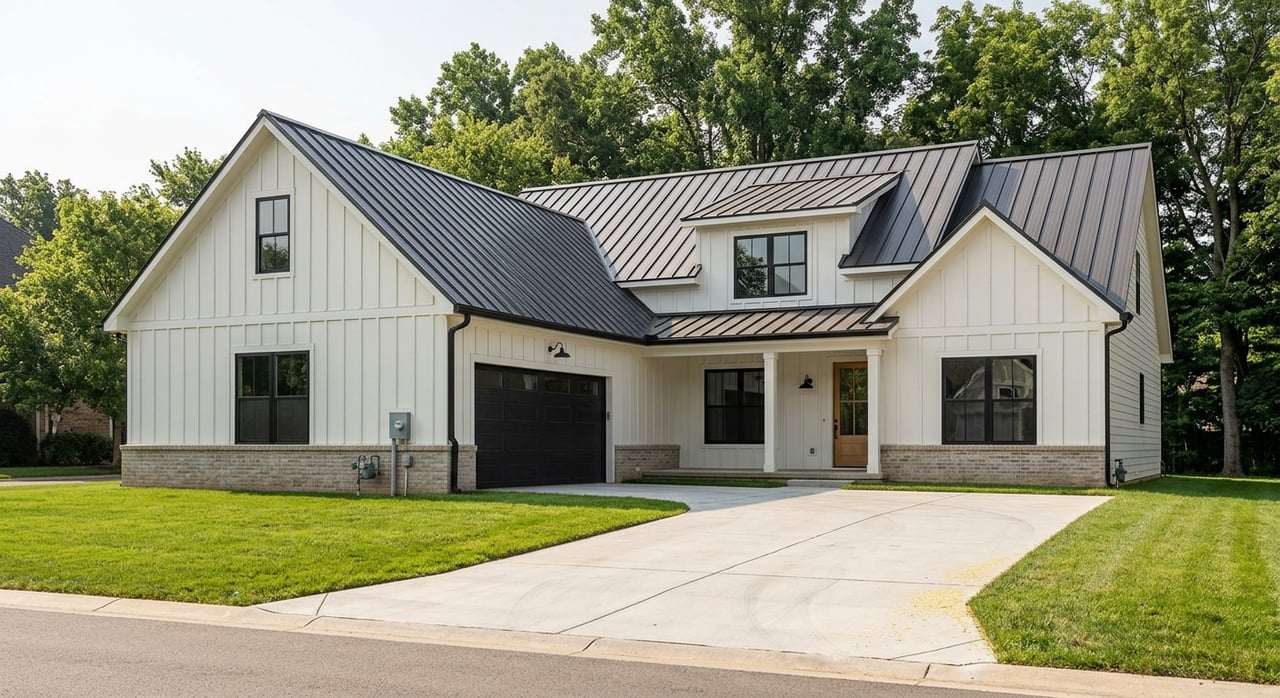
If you are dreaming about a custom home near Benton and Kentucky Lake, it is easy to start with the fun part: the floor plan, the porch, and the lake views. But in this part of West Kentucky, the success of your build often depends on what happens before the plans are finalized. When you understand the lot, utilities, floodplain questions, and shoreline rules early, you can make better decisions with fewer surprises. Let’s dive in.
Start With the Lot First
A custom build near Benton usually begins with the parcel, not the house design. That is because the lot itself can shape what you are allowed to build, how you will access utilities, and whether extra approvals are required.
Marshall County handles building permits and inspections countywide. At the same time, Benton and Calvert City have zoning requirements, which means a zoning permit or letter of compliance is required before a building permit is issued.
If your lot is inside Benton, the zoning compliance process is more specific. The application requires a sketch showing the lot, structures, setbacks, street frontage, and builder information, and the current application fee is $150.
Why parcel review matters
A vacant lot can look simple at first glance, but several questions need answers before you commit to plans. In this market, due diligence often includes zoning, utility service, floodplain status, sewer or septic options, and TVA shoreline rights for waterfront property.
That is one reason building can feel different from buying an existing home. You gain more control over the final product, but you also take on more front-end research.
Check Utilities Early
Utility planning is one of the most important steps in a custom build. A beautiful lot can become much more expensive if service access is limited or if connection costs are higher than expected.
Inside Benton city limits, Benton Utilities provides electric, water, and wastewater service. The utility’s current rate notice states that inside-city residential electric, water, and sewer each have separate service availability charges, and customers outside the city limits are charged 1.75 times the posted rates.
The City of Benton also notes that bills begin when a meter is set and that tap fees apply. Those are details worth understanding early, especially if you are comparing a city lot with a property outside city limits.
Plan for service lines too
New construction costs are not just about getting utility service to the property. Benton Utilities says the customer is responsible for the service line from the structure to the main, and it recommends backflow prevention on sewer service lines.
That matters during site planning because these are costs and design details many buyers do not think about at first. A lot that seems similar on paper may require a different utility layout once the build plan is underway.
Understand Sewer, Septic, and Well Rules
If your parcel will not connect to public sewer, wastewater planning becomes a core part of the process. In Kentucky, onsite sewage systems are handled through local health departments.
The local health department performs site and soil evaluations, and state rules require an on-site sewage disposal permit before construction, installation, or alteration. Kentucky also requires the use of a Kentucky-certified onsite septic installer, unless a homeowner obtains a homeowner’s permit through the local health department to install their own system.
Private water needs early review
Some properties may also rely on a private well rather than public water. Kentucky states that new wells, modifications, and abandonment work must be done by a Kentucky-certified water well driller.
The state also notes that private well owners are responsible for the safety of their water. If you are considering land outside typical city service areas, that makes water planning just as important as your building design.
Make Floodplain Review a Priority
Near Kentucky Lake, floodplain review should never be treated as a box to check later. It is one of the first items to verify because it can affect construction plans, permitting, insurance, and financing.
Kentucky’s floodplain guidance identifies the FEMA Flood Map Service Center as the official public source for flood hazard information. The same guidance explains that development in a Kentucky floodplain requires state and local floodplain permits.
Marshall County participates in the National Flood Insurance Program and requires a local floodplain permit if the site is in the Special Flood Hazard Area. Kentucky also notes that Zones A and AE are higher-risk mapped flood zones, and federally backed loans generally require flood insurance in those zones.
Why flood status affects lot value
Two lots with similar views and similar asking prices may not offer the same practical value. If one lot has floodplain constraints and the other does not, your building options, carrying costs, and insurance picture can look very different.
That is why flood zone review should happen before you finalize plans or move forward with closing. It is not just a technical detail. It can shape the whole project.
Know TVA Rules for Waterfront Lots
If you are looking at lakefront or lake-access property, TVA rules are a major part of the process. This is one of the biggest reasons buyers should verify a waterfront parcel carefully before closing.
TVA says it owns land or land rights along most reservoir shoreline. It also states that all shoreline construction or alterations require TVA approval.
For new owners, TVA requires an application for a Section 26a permit within 60 days of closing. TVA also recommends confirming that docks, ramps, seawalls, utilities, and other shoreline facilities are actually listed on the permit.
Verify rights before you buy
TVA says it can help determine whether an owner has the right to apply, whether a permit is required for a specific activity, the maximum facility size allowed, and whether restrictions apply to the private property. That means a lot marketed as waterfront or shoreline-access property should be reviewed carefully, not assumed to be ready for every intended use.
In practical terms, you should review the FEMA flood zone, the county floodplain office, and TVA permit history together. Any one of those factors can change what the parcel is worth to you and how usable it will be for your plans.
Follow the Permit Sequence Carefully
Once the lot checks out, your next step is making sure your builder and contractors understand the local permit process. In Marshall County, permits and inspections are a structured part of the construction timeline.
The county requires electrical work to follow the National Electrical Code and be completed by a Kentucky-licensed electrical contractor employing at least one Kentucky-licensed master electrician. HVAC work must be done by a Kentucky-licensed HVAC contractor.
Marshall County states that electrical permits are obtained directly by the contractor from the inspector. HVAC contractors obtain their permits through the state.
Expect staged inspections
Marshall County’s residential inspection process includes footing, foundation, framing, and final inspections. The county requires 24-hour notice for inspections, and final inspection must be completed before occupancy.
Missed inspections can lead to a stop-work order. In some cases, completed work may even need to be removed so the inspection can take place.
That is why the right builder is not just someone who can construct the home you want. You also want a builder who can manage timelines, coordinate inspections, and keep the paperwork clean.
Keep Documentation Organized
Good records matter during the build, and they matter again when you sell. A well-documented custom home is easier to understand, easier to market, and often easier for future buyers to evaluate.
You should keep your survey, plat, permit records, floodplain approvals, utility records, and any related site documents. If the property is waterfront, keep the TVA Section 26a permit and any dock or shoreline paperwork as well.
TVA specifically says permit documents should be reviewed against what is actually built on site, and permits do not automatically transfer at closing. That makes organized documentation especially important for shoreline properties.
Build for Long-Term Flexibility
Customization is the big advantage of new construction. Still, it helps to balance personal preferences with practical choices that support long-term value.
Broad-appeal floor plans, durable exterior materials, and flexible storage for lake use can make sense in the Benton and Kentucky Lake area. Future buyers often care about how easy a property is to insure, service, and document just as much as they care about design finishes.
That does not mean your home should feel generic. It means thoughtful choices at the site and systems level can support both your enjoyment now and your options later.
Building vs. Buying Near Kentucky Lake
For many buyers, the real question is not whether a custom home sounds appealing. It is whether building makes more sense than buying an existing home in the same area.
The clearest tradeoff is this: building gives you customization, but you trade speed for control. Near Benton and Kentucky Lake, that tradeoff stands out because county permits, floodplain rules, utility questions, and TVA shoreline rules can all affect the same parcel.
If you go in with realistic expectations and solid due diligence, a custom build can be a smart path. The key is making land analysis and site readiness part of the decision from day one.
If you are comparing land, lake lots, or existing homes near Benton, HRE Advisors can help you evaluate the opportunity with local market knowledge and a valuation-driven perspective.
FAQs
What should you check before buying a lot near Benton for a custom home?
- You should confirm zoning or compliance requirements, utility access, floodplain status, sewer or septic options, and TVA shoreline rules if the parcel is near Kentucky Lake.
Does Marshall County require permits and inspections for a new home build?
- Yes. Marshall County issues building permits and uses a staged inspection process that includes footing, foundation, framing, and final inspections.
Do waterfront lots near Kentucky Lake need TVA approval?
- Yes. TVA states that shoreline construction or alterations require approval, and new owners must apply for a Section 26a permit within 60 days of closing.
What happens if a Benton-area lot cannot connect to public sewer?
- The site will likely need an onsite sewage system reviewed through the local health department, including site and soil evaluation and the required permit before installation.
Why does floodplain status matter for a custom home near Kentucky Lake?
- Floodplain status can affect permits, construction plans, insurance needs, and financing, so it should be verified early in the planning process.