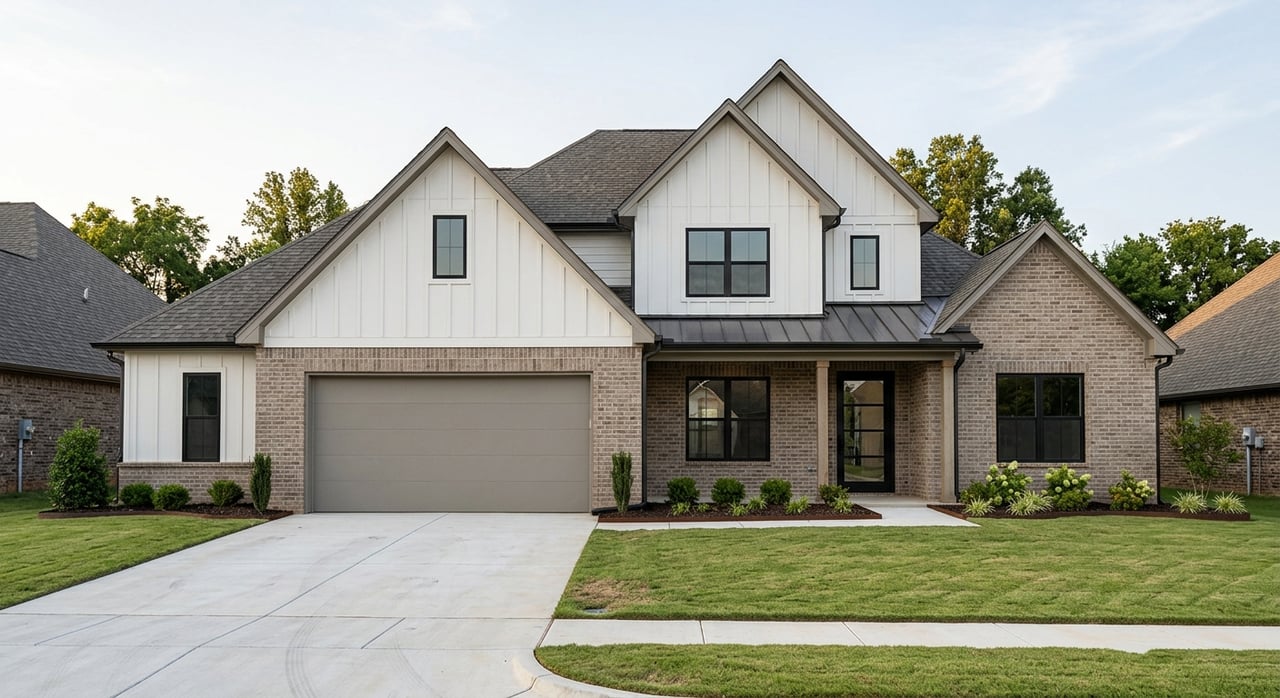
Buying a new construction home in Owensboro can feel simple at first glance. You tour a few homes, compare finishes, and look at the price. But in this market, the smartest choice often comes down to what you cannot see right away, like lot conditions, drainage, utility responsibility, permits, contract terms, and how the home may perform over time. If you want to compare your options with more confidence, this guide will help you focus on the details that matter most. Let’s dive in.
Why Owensboro new construction needs closer review
New construction in Owensboro and Daviess County involves more than choosing a floor plan or countertop package. Kentucky uses statewide building codes, and Owensboro-Daviess County also has a local review and inspection structure through OMPC.
That local process matters because site conditions can affect both your buying decision and your long-term costs. OMPC reviews building plans for code compliance and also evaluates whether a site is in a floodplain.
If a lot is in a floodplain, the first floor must be above the 100-year base flood elevation, and a flood elevation certificate is required. That makes lot selection an important part of your home search, not just a background detail.
Start with the lot, not the finishes
It is easy to fall in love with a kitchen or a great-looking exterior. Still, the lot often has a bigger impact on your day-to-day experience and future resale.
Before you focus on upgrades, ask about floodplain status, grading, drainage, street access, sewer connection, and water service. In Owensboro-Daviess County, buyers should also know that zoning, lot division or consolidation, variances, conditional use permits, major street access, and street address assignments may need to be confirmed before plans move forward.
Floodplain and drainage matter in Owensboro
Daviess County reports that more than 15 square miles within the urban service area are flood-prone. Historical flooding has been concentrated along the Ohio River, Green River, and Panther Creek basins.
The county also participates in the National Flood Insurance Program and Community Rating System, and Daviess County property owners currently receive a 10% reduction in flood insurance premiums through CRS participation. Even with that benefit, flood exposure is still a major factor when comparing lots.
Drainage deserves the same level of attention. County stormwater guidance notes that Owensboro uses a combined sewer system in some areas, which means sanitary sewage and stormwater share a pipe. In flood events, that can involve raw sewage mixed with stormwater.
What to look for on the site
When you visit a lot or a nearly finished home, pay close attention to signs that water may not move away from the house well.
Look at:
- Overall lot elevation compared with nearby homes and streets
- Slope and grading around the foundation
- Where downspouts discharge water
- Low spots that may hold standing water
- Whether stormwater infrastructure appears complete
- Whether the home sits near low-lying land or creek-adjacent areas
In Owensboro, these are not small cosmetic concerns. They can affect comfort, maintenance, insurance, and resale.
Know the difference between spec, production, and custom
Not all new construction works the same way. In practice, most buyers in Owensboro are choosing somewhere along a spectrum between a spec home, a production home, and a custom home.
A spec home is typically built by a builder before a buyer is under contract. It is usually designed for broad appeal and may be move-in ready or close to completion.
A production home is usually built in a community where the builder owns the land and offers a set of plans with standard features and optional upgrades. You may be able to choose finishes and some design elements, but usually not everything.
A custom home is more flexible. It often starts with your lot or a lot you choose, and the builder creates the home around your specific goals.
Which option fits your goals?
In simple terms, the tradeoff is usually speed versus control.
A spec or production home may be a good fit if you want:
- A faster move-in timeline
- A more predictable selection process
- A lower level of decision-making
- Standard finishes that already appeal to many buyers
A custom home may make more sense if you want:
- A specific lot
- A unique floor plan
- Design choices that go beyond standard packages
- Features tied to accessibility or specific lifestyle needs
Production builders also tend to focus on layouts and features with broad appeal. That includes practical elements like laundry rooms, pantry space, linen storage, and functional everyday flow. When you compare homes, these basics may matter more over time than flashy finishes.
Ask better questions about utilities and connections
Utility details are easy to overlook during a showing. They should not be an afterthought.
In Owensboro, OMU provides the water service line to the property and the meter, but everything beyond the meter is the homeowner’s responsibility. Sewer service is provided by RWRA and billed through OMU based on water usage.
That means you should ask exactly what is installed, what has been approved, and what becomes your responsibility after closing. This is especially important if you are buying in an area where infrastructure is still being built out.
Utility questions worth asking
Use a simple checklist when you compare homes:
- Has sewer connection approval already been completed?
- Is water service active at the property?
- What parts of the system are builder-installed?
- What becomes the homeowner’s responsibility after the meter?
- Are there any site-specific drainage or stormwater requirements?
- Is street access fully approved?
These questions can help you avoid surprises that do not show up in a finish sheet.
Compare builders by process, not just price
A polished model home does not always tell you how a builder handles the parts of the transaction that matter most. In many cases, contract quality and communication are just as important as the home itself.
The Kentucky Attorney General advises consumers to work with reputable, established firms, get written estimates from at least three contractors, ask for past customer references, and insist on a written, detailed contract. That contract should identify the contractor, describe the work, list payment terms, include permit responsibility, and include a satisfactory warranty provision.
The same guidance warns against large upfront deposits or advance payments. If a builder is unclear about money, timing, permits, or warranty coverage, that should raise concern.
Signs of a stronger builder relationship
As you evaluate your options, look for builders who can clearly explain:
- Who is responsible for permits
- What inspections are required and when they happen
- What is standard versus upgraded
- What close-out documents you will receive
- How warranty requests are handled after closing
- What the payment schedule looks like
OMPC notes that starting work before the necessary permit can trigger added fees. A builder who explains permitting and inspection timelines clearly is usually easier to trust than one who stays vague.
Local trade-association membership can also be one screening tool. The Home Builders Association of Owensboro is listed by the Greater Owensboro Chamber as a residential and light commercial construction trade association. Still, membership alone should not replace careful due diligence.
Read the warranty with care
Many buyers assume all builder warranties are basically the same. They are not.
Warranty terms can differ by builder, and the details matter. According to the FTC, many new-home builder warranties cover workmanship and materials for certain components for about one year, HVAC, plumbing, and electrical systems for about two years, and some structural defects for up to 10 years. Coverage varies, so you should read the actual language carefully.
You should also ask whether warranty claims go through mediation or arbitration. That process can affect how disputes are handled later.
What to confirm in writing
Before you move forward, make sure you understand:
- What is covered
- How long each type of coverage lasts
- What is excluded
- How service requests are submitted
- Whether dispute resolution uses mediation or arbitration
- Whether any third-party warranty provider is involved
A clear warranty is part of a strong builder package. If the language is hard to understand, ask for clarification before you sign.
Inspect the home even if it is brand new
A new build still needs careful review before closing. Required code inspections help, but they do not replace your own inspection.
The CFPB advises buyers to schedule a home inspection as early as possible so they can decide whether to proceed if major problems are found. For new construction, that means checking fit and finish, mechanical systems, drainage, and visible defects even if the home has already passed code inspections.
What to inspect in a new construction home
Pay special attention to items that affect comfort, durability, and operating costs.
Look closely at:
- Air sealing around doors, windows, and penetrations
- Insulation quality and consistency
- Window performance
- HVAC installation and commissioning
- Exterior grading and drainage flow
- Visible cracks, gaps, or finishing issues
- Cabinet, flooring, fixture, and trim installation
ENERGY STAR notes that air sealing, properly installed insulation, and high-performance windows work together to improve comfort, durability, maintenance costs, and monthly utility bills. Those features may not stand out in photos, but they matter every day you live in the home.
Choose upgrades with resale in mind
Upgrades can improve your enjoyment of the home, but some choices are easier to justify than others. If resale matters to you, focus first on features that support efficiency, durability, and broad buyer appeal.
ENERGY STAR says Freddie Mac’s largest national study found a 2.7% average sales-price premium for rated energy-efficient single-family homes. The same research found more efficient homes sold for a 3% to 5% premium compared with less efficient rated homes.
That gives real weight to upgrades like insulation, air sealing, windows, and efficient HVAC. These are often more valuable long term than purely decorative add-ons.
Upgrades that may hold up better over time
When you compare upgrade packages, the safest resale-oriented choices are often:
- Better insulation and air sealing
- High-performance windows
- Efficient HVAC systems
- Durable roofing materials
- Neutral paint and finish selections
- Functional closet and storage improvements
- Clean, practical kitchen features
The 2025 NAR Remodeling Impact Report also points toward broadly marketable improvements like roofing, painting, windows, storage improvements, and kitchen-related updates. In many cases, neutral and durable wins over highly personal.
In Owensboro, lot quality and exterior performance may matter even more than some buyers expect. Floodplain exposure, drainage performance, and utility responsibility can all shape how a property is viewed later, so smart site decisions may carry long-term value.
How to compare options more clearly
When you are torn between two or three homes, create a side-by-side comparison that goes beyond price per square foot. This is where a more technical, practical review can save you from an emotional decision.
Score each option on the things that affect ownership most:
- Lot location and floodplain status
- Drainage and grading
- Utility setup and homeowner responsibility
- Builder transparency
- Contract quality
- Warranty terms
- Inspection findings
- Energy efficiency features
- Floor plan function
- Resale-friendly upgrades
That approach can help you see which home is truly the better value, not just the best first impression.
Choosing new construction in Owensboro should feel exciting, but it should also be grounded in careful review. When you look closely at the lot, the builder, the contract, the utilities, and the features that support long-term value, you put yourself in a much stronger position to buy with confidence. If you want a local, data-driven perspective as you compare homes and neighborhoods in West Kentucky, Dustin Hawkins can help you evaluate your options with clarity.
FAQs
What should you compare first when buying new construction in Owensboro?
- Start with the lot. In Owensboro, floodplain status, drainage, grading, utility connections, and street access can matter as much as the home’s price and finishes.
What is the difference between a spec home and a custom home in Owensboro?
- A spec home is usually built for broad appeal and often offers a faster move-in timeline with less customization. A custom home gives you more control over the lot, layout, and finishes, but it usually takes more time and planning.
Why does floodplain status matter for new homes in Daviess County?
- OMPC evaluates whether a site is in a floodplain, and floodplain sites must meet elevation requirements. Floodplain exposure can affect insurance, drainage concerns, and future resale.
What utility questions should you ask about a new construction home in Owensboro?
- Ask who handles sewer connection, whether water service is active, what systems are already installed, and what becomes your responsibility after closing, including anything beyond the water meter.
Do you still need an inspection on a brand-new home in Owensboro?
- Yes. Required code inspections do not replace your own inspection. A buyer inspection can help you identify issues with fit and finish, drainage, mechanical systems, and visible defects before closing.
Which new construction upgrades may help resale value later?
- Energy-efficiency features, durable materials, high-performance windows, efficient HVAC, neutral finishes, and functional storage tend to be more broadly appealing than highly personalized design choices.