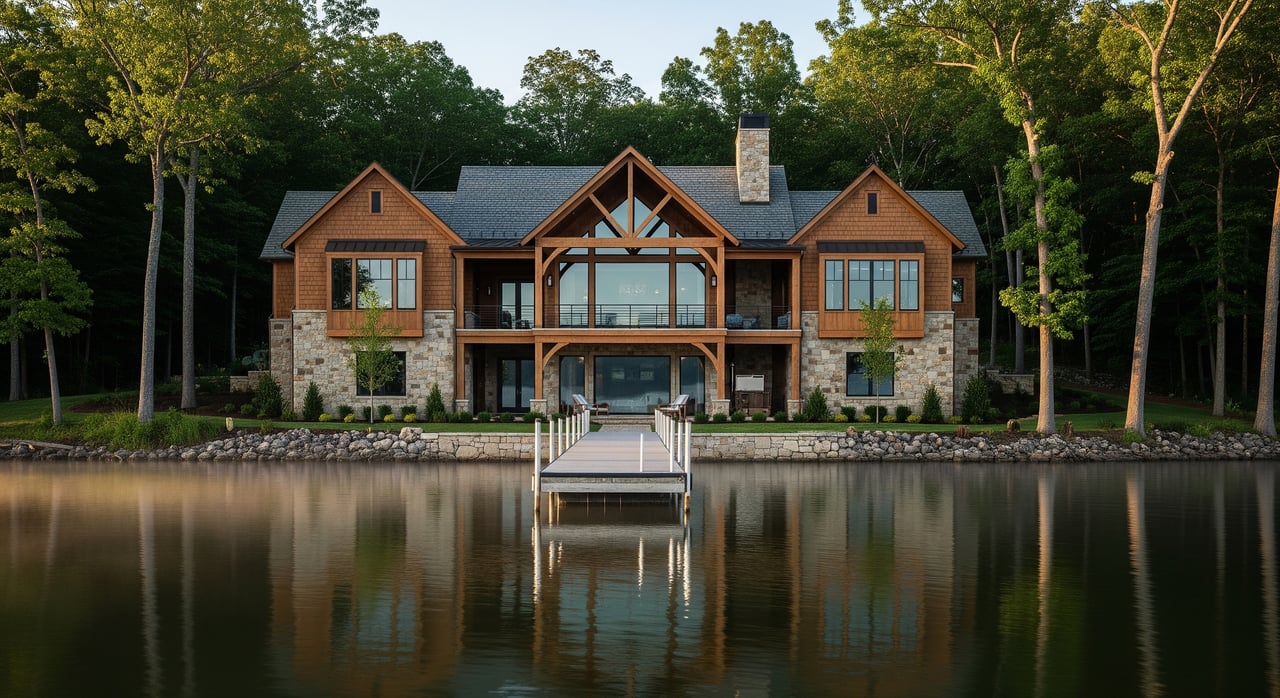
Dreaming of a place on Kentucky Lake where you can launch the boat in the morning and watch the sunset from your deck at night? Buying a lake home near Benton can be a smart move, but it comes with details you want to understand before you write an offer. In this guide, you’ll learn how TVA shoreline rules work, what to check on docks and septic, how flood insurance and short‑term rental rules affect costs, and a step‑by‑step due diligence checklist you can use at showings. Let’s dive in.
Why buy near Kentucky Lake and Benton
Kentucky Lake offers year‑round recreation, from fishing and boating to quiet winter getaways. Many buyers like the balance of lakeside living with access to everyday services in and around Benton. If you are new to the area, browse regional information on Kentucky Lake activities and amenities and learn more about the broader community via Marshall County’s background and location.
TVA shoreline and ownership basics
Kentucky Lake is a Tennessee Valley Authority reservoir. TVA manages shoreline use, navigation, and many land use rules along the reservoir. That means the land you see by the water may be privately owned upland, TVA‑managed shoreline, or an area with recorded easements. Your ability to build or keep a dock, place rip‑rap, or trim vegetation often depends on who controls that strip of land.
Verify who controls the shoreline
Ask for a current boundary survey that shows the property line relative to the water. Request copies of recorded easements, covenants, or any TVA Land Use Agreements tied to the parcel. Do this early so you understand what you can and cannot do along the shoreline. When in doubt, review TVA’s policies and contact the agency directly through the TVA Shoreline Management Program.
Docks, lifts, and permits
Most docks in TVA‑managed waters need authorization. If a dock already exists, verify that a current permit or land use agreement is in place and whether it transfers at closing. Confirm any HOA rules that might limit dock design or private docks, even when TVA would allow them. If you are budgeting for a new dock or major upgrade, get estimates and confirm size, setback, and construction standards before you commit.
Septic, wells, and utilities
Many lake homes rely on septic systems and, in some cases, wells. Order a septic inspection, request installation and maintenance records, and check with the county health department on any permits. If you plan to shift from seasonal to year‑round use or operate a short‑term rental, ask about capacity requirements and any upgrade triggers. Also confirm electric service, especially if the dock has power for lifts or lighting.
Flood risk and insurance
Waterfront does not always mean flood zone, but you want a clear risk picture. Start with a parcel‑specific look at maps through the FEMA Map Service Center. Lenders typically require flood insurance if a home is in a FEMA Special Flood Hazard Area, and many buyers choose coverage even outside mapped zones. For policy types, coverage limits, and questions to ask an agent, review consumer guidance from the National Association of Insurance Commissioners.
HOAs, zoning, and short‑term rentals
Many Kentucky Lake subdivisions use HOAs that regulate docks, exterior standards, parking, and rentals. Read the full CCRs, Bylaws, architectural guidelines, and meeting minutes to understand fees, approvals, and any rental restrictions. If you plan to host guests, confirm permissibility in writing with both the HOA and local government, and ask about licensing, occupancy, parking, and local taxes. For general consumer real estate guidance in Kentucky, you can also consult the Kentucky Real Estate Commission.
Seasonality and maintenance
Peak season on Kentucky Lake runs spring through summer, with an active fall shoulder season. Winter is quieter, but maintenance matters more: dock winterization, shoreline checks after storms, and home systems winterization. TVA may adjust lake levels, which can affect dock access and shoreline exposure, so ask neighbors about typical seasonal changes. Plan bigger projects for the off‑season when contractors are more available, and keep a list of trusted vendors for emergency needs.
Budgeting and financing
Lake homes can carry extra operating costs. Build a budget for dock maintenance, shoreline stabilization, higher exterior upkeep, HOA dues if applicable, flood and homeowners insurance, septic pumping, and any shared road fees. If you need a loan, expect lender attention to flood status, septic condition, and dock permits. Get multiple insurance quotes and factor replacement costs for the dock and shoreline improvements into your overall plan.
Step‑by‑step due diligence checklist
Use this checklist during showings and before you release contingencies.
- Title and survey
- Order a current ALTA or boundary survey that shows the waterline, easements, and any encroachments.
- Ask for a title search for recorded TVA agreements, easements, CCRs, and rights of way.
- Confirm shoreline status
- Request any TVA Land Use Agreements, dock permits, or shoreline authorizations.
- Contact TVA to verify the parcel’s status and any existing approvals.
- Dock and shoreline records
- Collect permits or approvals for docks, boathouses, rip‑rap, and retaining walls.
- Confirm transferability and expiration dates, and ask about required setbacks.
- Septic, well, and utilities
- Schedule a septic inspection and request permits and maintenance logs.
- Test well water if applicable and document flow and quality.
- Verify electric service to the home and dock.
- Flood risk and insurance
- Pull a FEMA flood zone determination and estimate premiums.
- Get homeowners, flood, and umbrella liability quotes from local agents.
- HOA/CCRs and STR rules
- Read CCRs, Bylaws, and recent meeting minutes; note fees and special assessments.
- Obtain written confirmation of short‑term rental permissibility.
- Local permits and zoning
- Call Marshall County or Benton planning for permitted uses and any required approvals for shoreline work or STRs.
- Environment and habitat
- Ask for any environmental reports and check for wetlands or protected species that could limit work.
- Structural and systems inspections
- Hire a home inspector experienced with lakeside properties and consider a dock or shoreline specialist.
- Neighbor and community input
- Talk with neighbors about seasonal lake levels, storm impacts, and road access.
- Cost estimates and reserves
- Price potential replacements for docks, septic, and shoreline stabilization; build a reserve.
- Title insurance and closing
- Ensure your title policy addresses riparian rights, easements, and TVA agreements.
Local outdoor rules and recreation
Your enjoyment of the lake also depends on local boating and fishing rules. Review current guidance from the Kentucky Department of Fish & Wildlife Resources for no‑wake zones, boating safety, and fishing seasons before you hit the water.
Ready to explore with confidence
Choosing the right Kentucky Lake home is about clarity and preparation. With a focused plan, you can secure the shoreline rights you need, keep insurance and maintenance costs in check, and position the property for the lifestyle you want. If you would like a local advisor who blends on‑the‑water knowledge with valuation expertise, reach out to Dustin Hawkins to Request a Market Valuation & Strategy.
FAQs
Who decides if I can build or keep a dock on Kentucky Lake near Benton?
- TVA commonly has jurisdiction over docks and shoreline work, and local permitting and HOA rules may also apply, so confirm approvals with TVA, the county or city, and your HOA.
Do I need flood insurance for a Kentucky Lake home?
- If your home is in a FEMA Special Flood Hazard Area, lenders usually require flood insurance; many buyers obtain coverage after reviewing FEMA maps even when it is not required.
Are short‑term rentals allowed around Kentucky Lake in Marshall County?
- It depends on HOA covenants and local ordinances; get written confirmation of permissibility and note any licensing, occupancy, parking, or tax requirements.
What should I check on a septic system at a lake property?
- Order an inspection, request permits and maintenance records, confirm capacity for your intended use, and ask the county health department about upgrade triggers.
How do seasonal lake level changes affect ownership costs?
- Changing levels can influence dock access and shoreline exposure; plan for dock adjustments, shoreline inspections after storms, and potential stabilization work in your maintenance budget.