What if your Kentucky Lake getaway could help pay for itself? If you are eyeing a home in Benton that doubles as a short-term rental, you are not alone. Many buyers want a place for family time that can also offset carrying costs. In this guide, you will learn how to spot rental-ready features, navigate TVA shoreline rules, understand taxes and insurance, and build a simple income model for a Benton or Marshall County lake-area home. Let’s dive in.
Why Kentucky Lake works
Kentucky Lake is a year-round outdoor destination with boating, sportfishing, and access to Land Between The Lakes. The local tourism group promotes hundreds of miles of shoreline and event traffic that brings guests back each season, which supports demand for overnight lodging around the lake. You can see this positioning in the Kentucky Lake Convention & Visitors Bureau’s overview of the area and its events calendar (local CVB perspective on demand).
Tourism is also a meaningful part of the Marshall County economy. Local coverage of Kentucky tourism reports highlights steady spending, jobs, and tax receipts tied to visitors, all helpful signals that short-term rentals have a real audience here (tourism remains a vital driver).
Benton market snapshot
Around Benton, you will find a mix of homes: affordable non-waterfront properties, mid-range lake houses, and higher-priced waterfront homes with private docks. Each segment attracts different guest profiles and nightly rates. Public real estate data providers often publish different “typical value” or median figures because they use different methods. For a specific address, your best reference is a local set of MLS comps and a valuation that reflects water access, dock rights, and seasonal demand.
Waterfront or near-lake?
Access to the water is the single biggest driver of guest appeal and nightly rate. Direct waterfront usually commands a premium because guests value views, private docks, and immediate access. That premium can come with more upkeep, such as dock maintenance and shoreline care, and it can introduce permitting steps.
Homes near the lake can perform well if they deliver reliable access. Proximity to a public boat ramp, nearby marina, community ramp, or a guaranteed slip can close much of the rate gap for the right property and guest capacity.
TVA shoreline permits
If you are evaluating a waterfront lot, do not assume you can add a dock. Docks, boathouses, and many shoreline projects on Kentucky Lake require a Tennessee Valley Authority Section 26a permit. The TVA regulates footprint, placement, and spacing, and it will require approvals before construction. Build time and permitting costs into your plan (TVA shoreline construction guidance).
Rental-ready features to prioritize
The right features make hosting easier and can lift your average daily rate. Look for:
- Guest capacity. Three to four bedrooms or flexible sleeping space supports family groups. More capacity often means more septic demand, so verify system size early (Kentucky on-site sewage rules, 902 KAR 10:085).
- Water access. A private dock or guaranteed access to a community slip or ramp is a top value driver. Confirm any existing permits and HOA rules before you assume rights.
- Trailer-friendly parking. Guests often bring boats. Wide driveways, turnarounds, and off-street trailer parking improve reviews and reduce rule conflicts.
- Durable, guest-friendly interiors. Open living areas, resilient flooring, multiple baths, full-size laundry, and a well-equipped kitchen help with turnover speed and guest satisfaction.
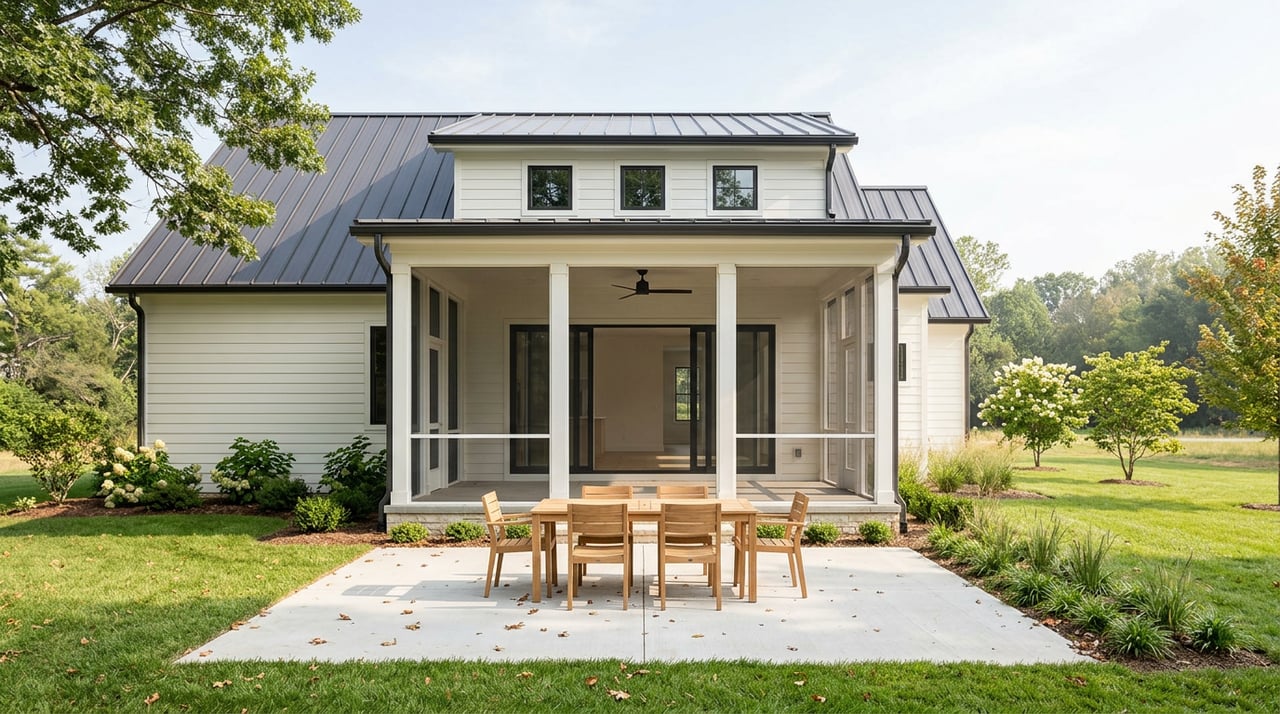
- Outdoor living. Decks, covered porches, a grill area, and a safe, well-lit path to the water are common wish list items shown in local rental marketing (see amenity examples from a local owner site).
Septic, wells, and flood checks
Many lake homes use private wells and on-site sewage systems. If you plan to host more frequent or larger groups, confirm the septic system’s permitted capacity, review pumping and repair records, and be ready for upgrades if needed. Kentucky’s on-site sewage regulations outline permits, design flows, and installer requirements, which your local health department and a certified installer will apply to your property (902 KAR 10:085 overview).
Waterfront does not always mean floodplain, but you should do a parcel-level check. Lenders commonly require National Flood Insurance Program coverage if a structure lies in a Special Flood Hazard Area. Use FEMA’s Map Service Center to verify a lot’s status and request any available elevation certificates from the seller (FEMA Map Service Center).
Taxes, rules, and insurance
Short-term rentals in Kentucky are subject to a statewide 1 percent Transient Room Tax, the 6 percent state sales tax, and any local transient or occupancy taxes. Major booking platforms typically collect and remit certain taxes on platform bookings. If you take direct bookings, you may need to register with the Kentucky Department of Revenue and remit on a schedule (state DOR transient tax guidance).
Review HOA covenants and deed restrictions before you go under contract. Some subdivisions limit or prohibit short-term rentals, and recorded covenants can be decisive in disputes. Get the CC&Rs and ask for written confirmation of the rental policy for your specific address (Kentucky case illustrating CCR impact).
Most standard homeowners policies limit or exclude business activity like short-term rentals. Many owners need a vacation-rental policy or a short-term-rental endorsement. Platform programs have limits, so talk with an insurance agent experienced in vacation rentals about liability, property damage, and loss-of-income coverage. If the home is in a high-risk zone, budget separately for NFIP flood insurance (short-term rental insurance basics).
Seasonality and pricing strategy
Kentucky Lake demand typically peaks in spring and summer, with strong weekends tied to fishing tournaments and family trips. Fall brings a shoulder season and winter is quieter, so plan for seasonally different rates and occupancy. Promoted tournament dates and events can create booking spikes, so publish calendars early and use minimum-night rules around key weekends to optimize revenue (CVB positioning and event context).
To set rates, study comparable active listings. Local owner sites and platform calendars show how rates step up during peak months. For example, a three-bedroom cabin marketed for Kentucky Lake often lists nightly rates in the mid-100s during certain seasons, while larger waterfront homes with private docks command higher rates. Use several comps rather than a single example to avoid bias (sample local listing site).
Build a simple income model
You do not need advanced software to set a conservative first-year plan. Start with a clear, local comp set.
- Step 1: Gather 6 to 12 comparable rentals. Match sleeping capacity, distance to the lake, and water access. Note rate bands for high season and off season.
- Step 2: Estimate a blended occupancy. Weight your high-season months and off-season months separately. Avoid using a single universal occupancy number. A local property manager or a paid STR analytics report can refine this.
- Step 3: Apply real-world expenses. Include platform fees, cleaning, utilities, supplies, lawn care, dock maintenance and winterization if applicable, HOA dues, insurance, property taxes, and a reserve for repairs. If you hire a manager, use a 20 to 35 percent management range as a starting point for modeling.
The goal is not to hit a perfect forecast. It is to understand the drivers that move your numbers, then stress test them before you buy.
Buyer due diligence checklist
Before you write an offer, confirm the items that can make or break rental performance and compliance:
- Dock and shoreline rights. If the lot touches TVA-managed shoreland, verify any existing dock permit and whether new work would need Section 26a approval (TVA shoreline construction guidance).
- HOA and covenants. Request CC&Rs and ask for written confirmation of rental rules, guest parking limits, and dock policies for your address (CCR impact example in Kentucky).
- Flood status. Run a parcel check on FEMA’s Map Service Center and request recent elevation certificates if available. Shop NFIP quotes if in a Special Flood Hazard Area (FEMA Map Service Center).
- Septic and well. Order a septic inspection, confirm permit records and design flows, and match system capacity to your intended max occupancy (Kentucky on-site sewage rules).
- Taxes and registration. Clarify which taxes apply and who remits them for platform bookings versus direct bookings. Register with the Kentucky DOR if needed (transient tax overview).
- Insurance. Confirm you have coverage for guest liability, renter-caused damage, and loss of rental income. Add NFIP coverage if required by a lender or desired for risk management (insurance primer).
Ready to explore Benton homes with Kentucky Lake rental potential? You can pair neighborhood-level insight with investment-grade valuation to buy with confidence. Connect with Dustin Hawkins to Request a Market Valuation & Strategy tailored to your goals.
FAQs
Are short-term rentals allowed in Benton and Marshall County?
- There is no single county-wide ban widely reported. Permissibility often depends on recorded covenants and any city or county licensing, so verify CC&Rs, local code, and TVA shoreline restrictions where applicable.
Do I automatically get a dock with a waterfront lot on Kentucky Lake?
- No. Many docks require TVA Section 26a approval and may also need HOA or neighbor coordination, so confirm permits and rules before you assume dock rights.
Will Airbnb or VRBO handle my Kentucky lodging taxes?
- Major platforms typically collect the statewide 1 percent transient room tax and often collect local taxes on platform bookings, but direct bookings may require you to register and remit with the Kentucky DOR.
How should I estimate rental income for a Benton lake home?
- Build a comp set of 6 to 12 similar rentals, use seasonally weighted occupancy, and apply a full expense schedule, then refine with a local property manager or paid STR analytics.
Do I need special insurance for a short-term rental near Kentucky Lake?
- Yes, most owners need a vacation-rental policy or a short-term-rental endorsement. Platform programs are not a substitute; also add NFIP flood coverage if the home lies in a high-risk zone.